Mold & Mildew
Home ♦ Mold & Mildew
Home ♦ Mold & Mildew

One of the worst conditions that can befall a rug is DRY ROT. Mold, mildew, and dry rot are various types and stages of particular fungi. Where you can sometimes kill and remove the first two groups without much evidence left behind in a rug (if you get to it relatively early), when you get to the dry rot stage in a rug, there is no turning back.
Dry rot in a rug is the deterioration of the foundation fibers, usually cotton but sometimes wool, jute, or silk. In the extreme it is a total lack of structural integrity and to a rug this means it can simply fall apart.
The problem with dry rot is that it is usually discovered too late to undo the damage, so let’s talk about what creates this condition, what to be on the look out for, and what to do when you discover a rug has a mildew, mold, or dry rot issue.
The cause of fiber deterioration is the extremes of too much moisture, or too little of it. You can see damage set in from moisture due to floods, leaks (from plants), or high humidity with a lack of evaporation due to a barrier when moist. Pets are also a cause of dry rot, as pet urine salts can keep those innermost cotton foundation fibers moist for a much longer time than plain water can, and there is a tendency to create stiff, rotten areas as a result. You also see damage set in from age, or a build up of cleaning residue that is drying to the fibers. We see this especially in rugs that are not rinsed properly, and it is a primary reason why rugs are not to be cleaned in the home. You can see brittleness due to high heat or direct sunlight conditions over time as well (similar to how your drapes can sometimes shred apart from sun exposure). A final cause of fiber deterioration is the use of whitening chemicals (such as bleaches and peroxides). We especially see this in cotton fringes that become easy to tear away the tassels due to a lack of fiber strength from this chemical damage.
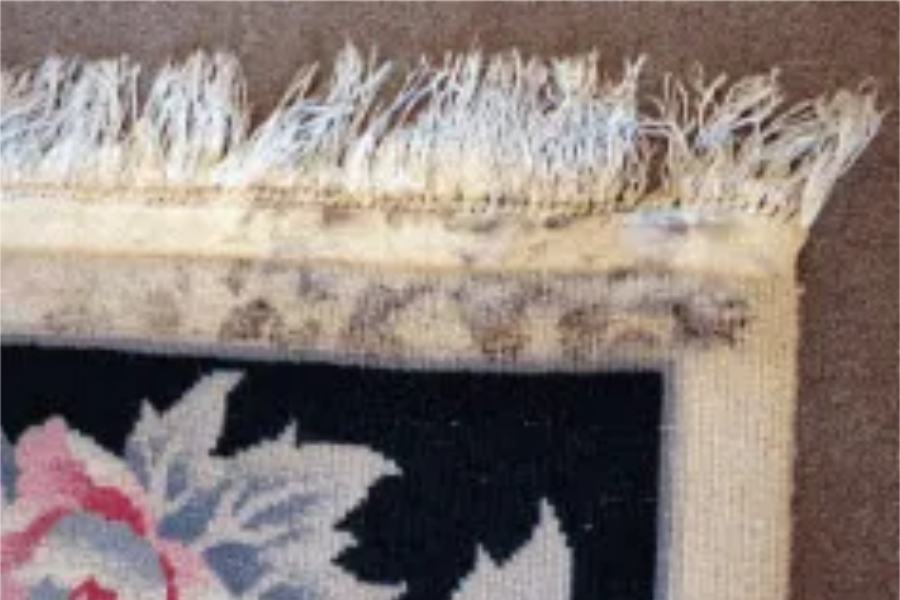
If there is any type of water source near a rug you want to look for evidence of any problems. Potted plants, water coolers, pet water dishes, or any slab leaks over time can contribute to the growth of mildew and eventually dry rot.

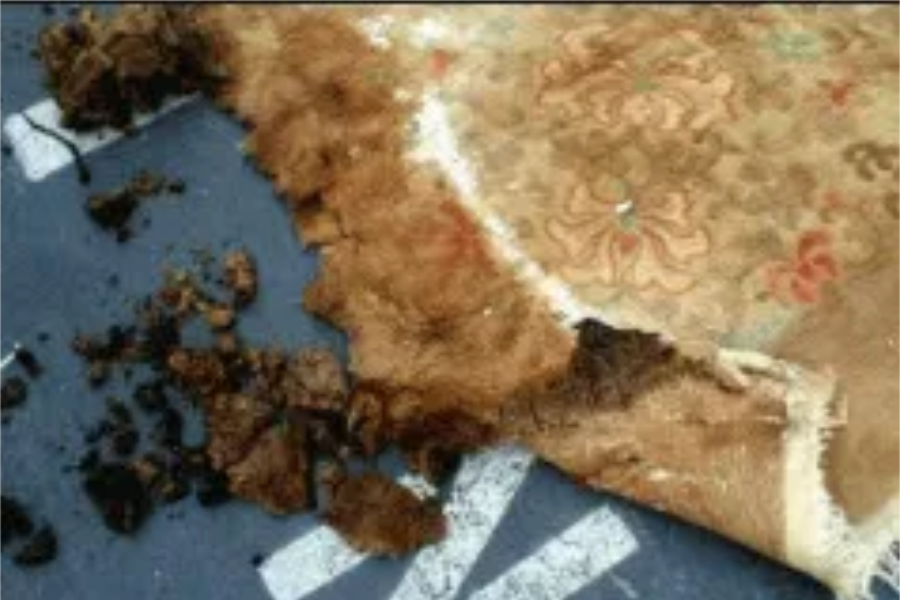
Once mold root systems get into the inner foundation fibers it is next to impossible to strip those away to remove these black/dark discolorations. If the area is stiff to the touch and cracks when you slowly bend it, or it sounds like wood when you knock on the area with your knuckles, then dry rot has set in and you have to be incredibly careful so that you do not create a hole like this

Though this is usually a problem we see with rugs that have a cotton foundation, it is possible for dry rot to deteriorate wool rugs woven on wool warps and wefts if it is left wet for months.

You also want to be on the look out for pet urine damaged areas. These will likely be yellow discolorations on the top side of the rug, like this:

Pet activity over time can be devastating to a rug, not only in terms of dye damage and discoloration, but also in weakening the foundation fibers. The foundation of the rug essentially crumbles apart.

Without the more obvious visual signs of dark discolorations, or pet damage, you sometimes have to rely on your hands to find the warning signs. With semi-antique and antique rugs, fibers can become weaker and brittle due to age. You do not want to haphazardly bend areas of an old rug to see if the foundation fibers crack. Instead you want to look for signs of splits in rugs that can give you clues about possible signs of dry rot or brittleness preceding the most devastating phase of widespread deterioration.

Because the sides and ends often get a bit more wear and tear than the middle of a rug, you can usually find splits and cracks to serve as your warning signs.

Aggressive chemical use, or build up of chemical residue, can dry out foundation fibers and make them brittle and eventually rotten. We especially see this on cotton fringe that has been made super white by the rug manufacturers.
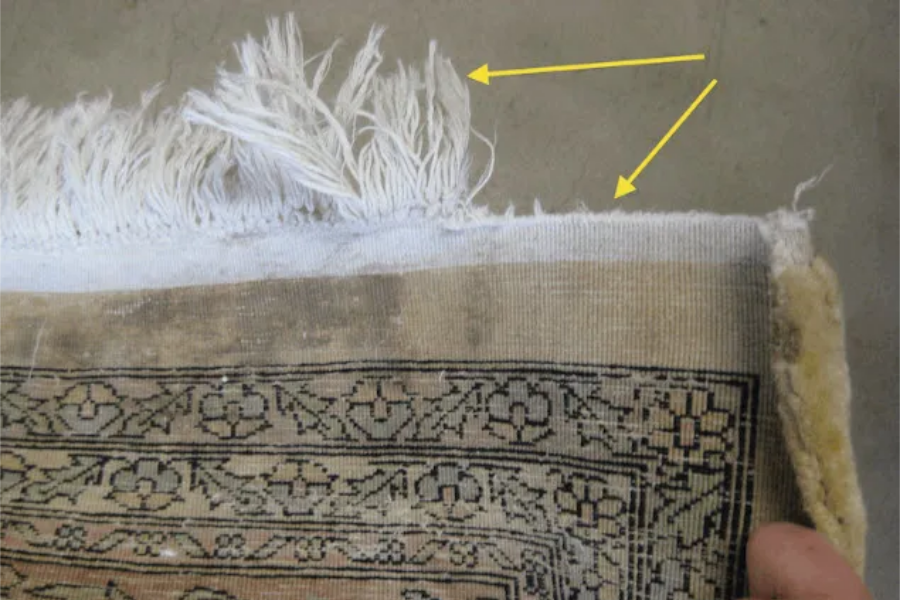
Just like when you bleach cotton t-shirts too many times and they begin to shred apart, this also happens with cotton fringes. Rugs from China, India, Pakistan, and Iran all can have this type of damage.


